
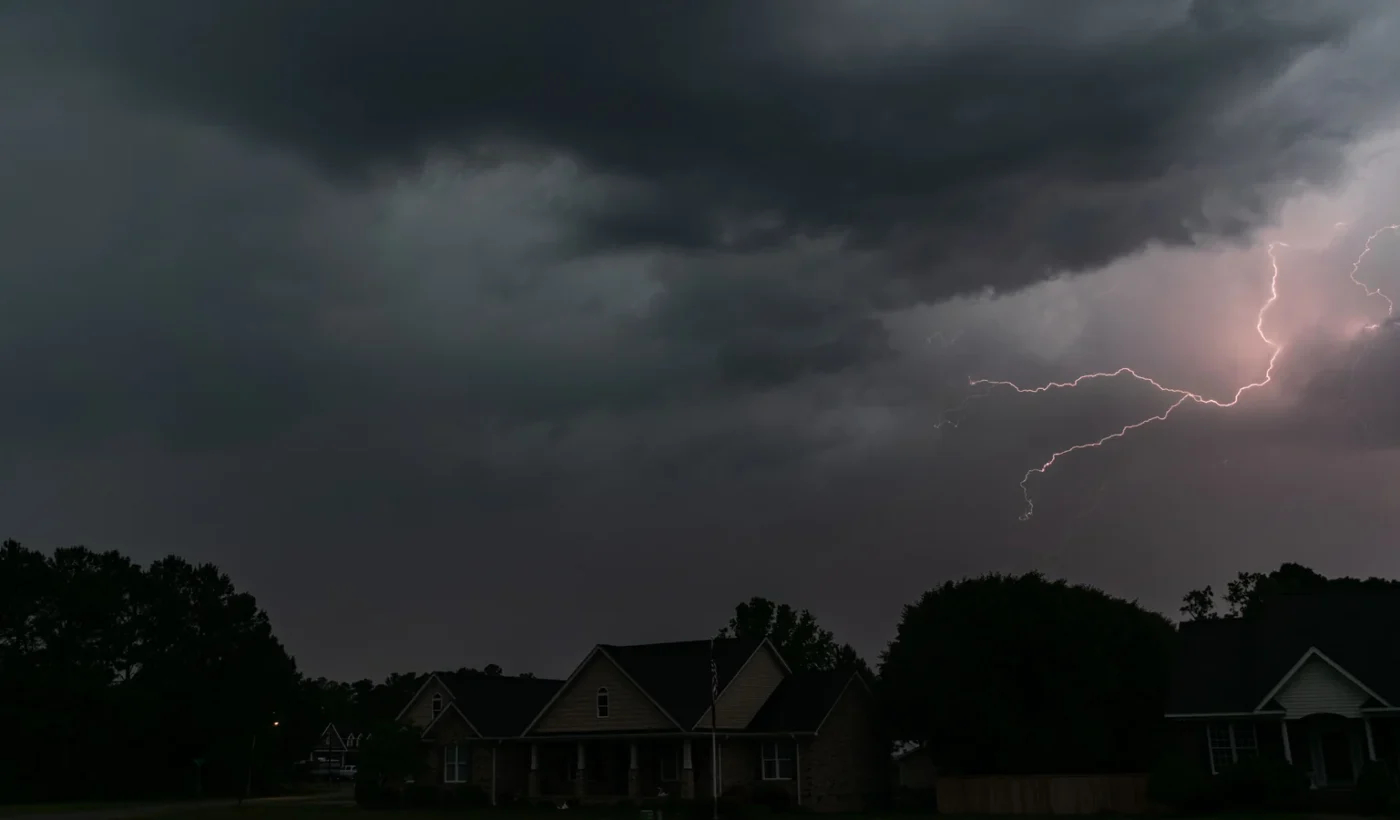
Hurricane preparation in North Carolina is not only a coastal issue. Tropical systems can bring damaging wind, heavy rain, flash flooding, fallen trees, power outages, and roof or gutter problems far inland. The National Weather Service notes that August, September, and October are the most active months for tropical systems in North Carolina, with peak activity typically concentrated from mid-August into late September.
The best time to protect a home is before watches or warnings create a last-minute rush. This homeowner guide focuses on practical steps you can take ahead of severe tropical weather, including roof checks, gutter cleaning, outdoor-property protection, insurance documentation, and emergency planning.
Why hurricane preparation in North Carolina matters
The Atlantic hurricane season runs from June 1 through November 30, but the risk is not evenly distributed across those months. The National Weather Service Raleigh hurricane preparedness guidance says North Carolina’s most active tropical months are August, September, and October.
Storm impacts also extend beyond the immediate coast. Heavy rain can cause flooding well inland, while saturated soil and strong wind can bring down trees and limbs. That means hurricane preparation in North Carolina should address both the structure of the home and the surrounding property.
11 essential hurricane preparation steps for North Carolina homeowners
1. Inspect your roof before storm conditions arrive
Start with the roof because small defects can become larger problems when wind-driven rain arrives. From the ground, look for missing, lifted, cracked, or visibly loose shingles. Pay attention to flashing around chimneys and roof-to-wall transitions, roof vents, ridge areas, and any section that already shows wear.
If you have a known leak or obvious roof damage, handle it before a storm is approaching. A professional inspection may be worthwhile when the roof is older, has recently leaked, or has already been affected by previous wind or hail. For post-storm warning signs, see our guide to roof storm damage in North Carolina.

2. Clear gutters and downspouts
Clean gutters are an important part of hurricane preparation in North Carolina because tropical systems can deliver intense rainfall in a short period. Leaves, pine needles, roof granules, and other debris can slow drainage and cause water to overflow where you do not want it.
The North Carolina Department of Insurance specifically recommends clearing debris from gutters and downspouts before a storm. Make sure downspout outlets are open and directing water away from the foundation where practical.
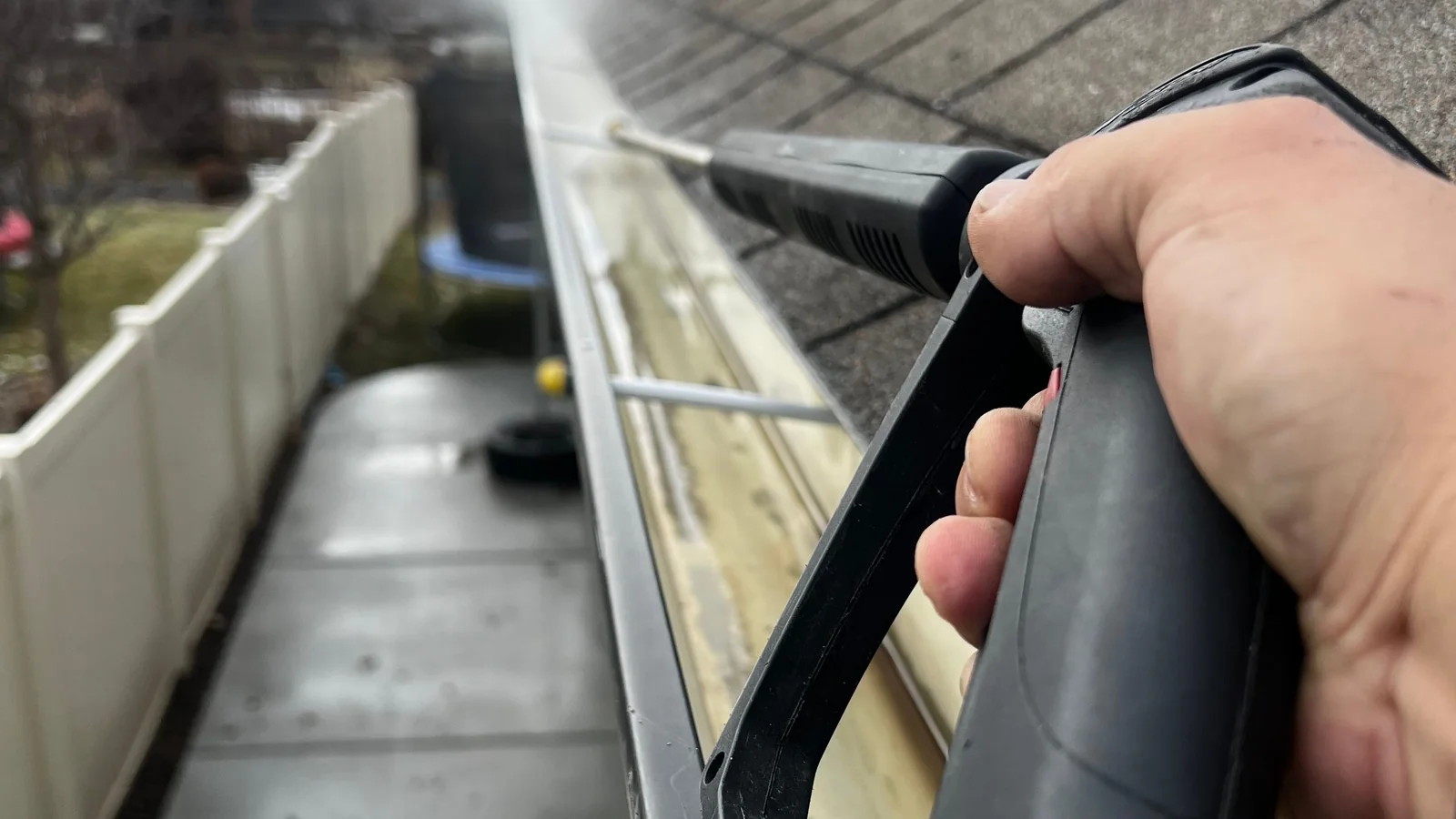
If your gutters are loose, pulling away from fascia, leaking badly, or undersized for the roof, cleaning alone may not solve the problem. You can browse our North Carolina contractor directory or request gutter quotes.
3. Trim dangerous limbs and identify weak trees
Look for dead branches, limbs hanging over the roof, damaged trees, or trees with obvious instability. The goal is not to remove healthy landscaping unnecessarily; it is to reduce obvious hazards before wind and saturated soil increase the chance of failure.
Large trees and high limbs should be handled by qualified professionals. Do not attempt dangerous tree work simply because a storm is forecast. Planning earlier gives you more options and reduces the temptation to take risks at the last minute.
4. Secure outdoor furniture, grills, cans, and decorations
Patio furniture, umbrellas, grills, planters, trash cans, tools, toys, and lightweight decorations can become dangerous projectiles in strong wind. Bring loose items into a garage or other protected location when possible. Secure items that cannot be moved.
ReadyNC advises residents to bring in outdoor items or tie down anything that cannot be brought indoors. This is one of the easiest steps in hurricane preparation in North Carolina, and it can protect both your property and neighboring homes.
5. Check windows, exterior doors, and the garage door
Inspect exterior doors and windows for obvious damage or loose hardware. If your home uses shutters or pre-cut plywood panels, make sure the hardware and panels are accessible before a storm threatens. Do not wait until winds are already increasing to begin exterior installation.
Garage doors deserve special attention because a large opening can be vulnerable to wind pressure. The ReadyNC hurricane guidance recommends reinforcing garage doors and securing property before a hurricane.
6. Review homeowners, wind, hail, and flood coverage
Insurance is part of hurricane preparation in North Carolina, not something to think about only after damage occurs. Review the declarations page and understand deductibles, exclusions, and any separate wind or hail provisions that apply to your property.
A critical point from NCDOI is that standard homeowners insurance does not cover flood damage. Depending on the property and location, separate coverage may be necessary. Flood insurance can also have a waiting period, so it should not be treated as a last-minute purchase when a named storm is already approaching.
7. Create a home inventory before you need one
Walk through the home and photograph or video the major rooms and valuable belongings. Capture appliances, electronics, furniture, tools, and other significant property. When practical, keep receipts, serial numbers, or purchase records for higher-value items.
The NCDOI 2026 hurricane-season guidance recommends creating a home inventory and keeping important documents accessible. This can make the claims process easier if your property is later damaged.
8. Protect important documents and digital information
Keep insurance information, identification, medical information, important contacts, and property records where they can be accessed even if you need to leave home quickly. Waterproof storage is useful for physical documents, while secure digital backups can protect copies if the originals are lost or damaged.
Take photos of the exterior of the house before the storm as well. Include the roofline, gutters, siding, windows, trees, fence, detached structures, and vehicles. Good before-and-after documentation is useful when evaluating possible storm damage.
9. Prepare for outages with water, food, lighting, and charging
Power outages can last much longer than the storm itself. Keep flashlights, batteries, backup charging options, necessary medications, and non-perishable food available. Official North Carolina guidance recommends at least a three-day supply of water and food, with additional planning for children, older adults, pets, or anyone with special needs.
Charge phones and backup batteries before conditions deteriorate. If you use a generator, follow the manufacturer’s safety requirements and never operate it in an enclosed space or anywhere exhaust could enter the home.
10. Know your evacuation route, flood risk, and alert sources
Hurricane preparation in North Carolina should include a family communication plan and a clear idea of where you would go if officials order an evacuation. Coastal residents should know their evacuation zone, but inland residents also need to understand local flood risks and road closures.
The ReadyNC Hurricane Guide provides information on watches, warnings, evacuation, emergency alerts, insurance, and home protection. Use official local and state sources rather than relying only on social-media posts when conditions are changing quickly.
11. Plan what you will do immediately after the storm
Do not assume the danger is over just because the wind has stopped. Fallen power lines, damaged trees, unstable roof sections, flooding, and weakened structures can remain hazardous. Wait for official guidance before returning to evacuated areas.
If your home is damaged, photograph conditions before permanent repairs when it is safe to do so. Take reasonable steps to prevent additional damage and keep receipts. For roofing or gutter problems that require professional evaluation, you can request roofing quotes or compare professionals in our contractor directory.
A simple 48-hour home-preparation checklist
If a tropical system may affect your area and you still have adequate time to prepare safely, focus on high-value actions rather than trying to complete major renovations. A practical sequence is:
- Confirm your emergency kit, medications, water, food, batteries, and charging options.
- Move or secure loose outdoor objects.
- Clean gutters and confirm downspouts are open if conditions are still safe.
- Photograph the exterior and important belongings.
- Move vehicles away from weak trees where possible.
- Review official weather updates, local alerts, evacuation zones, and routes.
- Keep insurance and identification documents accessible.
- Stop exterior ladder or roof work before winds and rain make it unsafe.
This checklist does not replace local emergency instructions. Conditions vary greatly across the coast, Piedmont, mountains, river basins, and individual neighborhoods.
Roof and gutter preparation: what homeowners should not do
A hurricane forecast is not a reason to climb onto a roof at the last minute. Avoid walking on wet roofing, leaning ladders on unstable surfaces, or attempting emergency tree work beyond your skill level. If a repair requires professional fall protection or specialized equipment, it is better to schedule it early.
Likewise, do not assume every old roof defect is hurricane damage after the storm. Document what changed, compare it with pre-storm photos when available, and obtain a clear inspection when needed.
Frequently asked questions about hurricane preparation in North Carolina
When is hurricane season in North Carolina?
The Atlantic hurricane season officially runs from June 1 through November 30. National Weather Service guidance for North Carolina notes that August, September, and October are the most active months for tropical systems.
Do I need hurricane preparation if I live inland?
Yes. Inland communities can experience tropical-storm winds, flash flooding, river flooding, fallen trees, roof damage, and long power outages. The exact risks vary by location, but preparation is not limited to beachfront property.
Should I clean gutters before a hurricane?
Yes, when there is enough time to do so safely. NCDOI specifically recommends clearing debris from gutters and downspouts before storms. Free-flowing drainage can help move roof runoff away more effectively during heavy rain.
Does homeowners insurance cover hurricane flooding?
Standard homeowners policies generally do not cover flood damage. Coverage for wind and hail can also vary by policy and location. Review your specific documents and speak with your insurance company or agent about your coverage.
Should I have my roof inspected before hurricane season?
As part of hurricane preparation in North Carolina, an inspection can be useful when the roof has existing leaks, missing shingles, older materials, visible flashing problems, or previous storm damage. A sound roof is easier to maintain before a storm than during an emergency.
What should I photograph before a hurricane?
Photograph the exterior of the home, roofline from safe ground-level locations, gutters, siding, windows, detached structures, vehicles, major trees, and valuable interior belongings. Store copies somewhere you can access even if you leave the property.
Bottom line: prepare early, not during the storm
The strongest approach to hurricane preparation in North Carolina is to complete ordinary maintenance and documentation before severe weather is imminent. A clear roof and gutter system, secured exterior property, reviewed insurance coverage, good records, emergency supplies, and a family plan all reduce last-minute uncertainty.
NC Homeowners Guide is built to help homeowners make informed decisions before and after property problems occur. Explore more North Carolina homeowner guides, compare local professionals in the contractor directory, or request estimates when your roof or gutters need attention.
Need a roof or gutter professional before storm season?
Compare North Carolina contractors and request estimates for the work your home needs.