

This fall home maintenance checklist gives North Carolina homeowners a practical way to prepare before cooler weather arrives. Hot, humid summer conditions can leave behind wear on roofs, siding, gutters and HVAC systems, while autumn brings falling leaves, temperature swings, wind and periods of heavy rain. A little preventive maintenance now can help you catch small problems before they become expensive winter repairs.
This fall home maintenance checklist for North Carolina homeowners covers 15 practical areas to inspect, clean or prepare. You do not need to tackle everything in one weekend. Start with anything that protects the home from water, weather and safety hazards, then work through the remaining items as time allows.
1. Inspect Your Roof From the Ground
Your roof is the first line of defense against rain, wind and changing temperatures. Walk around the property and look from the ground for missing, lifted, cracked or curling shingles, damaged flashing, loose materials, sagging areas or debris collecting in roof valleys.
Do not climb onto a steep or wet roof just to perform a seasonal check. If something looks questionable from the ground, or you have noticed interior staining or a recent leak, a professional inspection is the safer next step.
If your home has been through severe weather recently, see our guide to roof storm damage in North Carolina. If the roof is older or has recurring problems, our guide on roof repair vs. roof replacement can help you understand what to compare before requesting estimates.
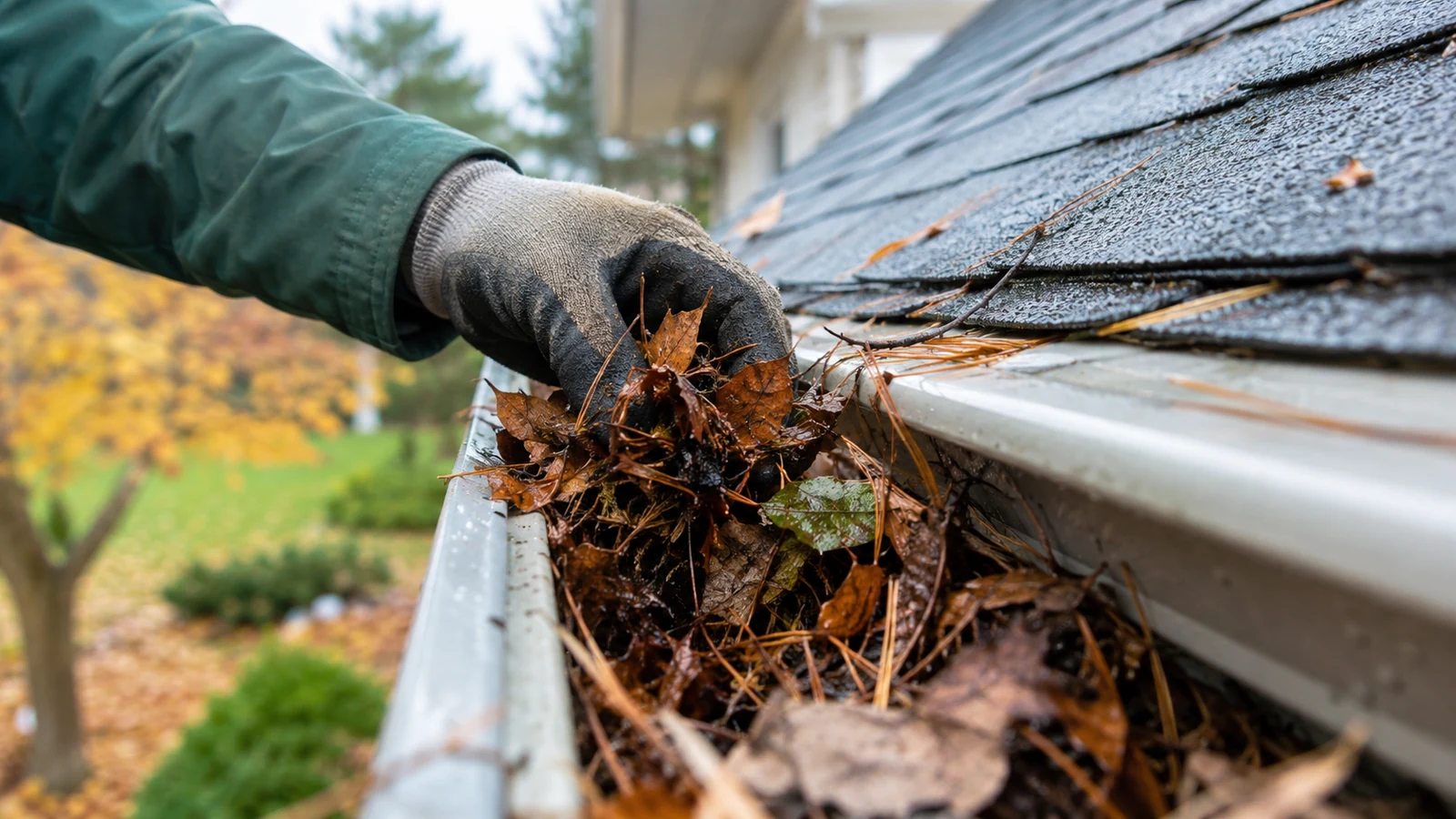
2. Clean Gutters and Check Downspouts
Leaves, pine needles, seed pods and roof debris can quickly restrict water flow. When gutters overflow, water can run behind the gutter, soak fascia boards, stain siding, collect near the foundation or contribute to erosion around the home.
Clean accessible gutters safely and confirm that downspouts are open. Watch where the water exits. Downspouts should move water away from the foundation rather than dumping it directly beside the house.
For a more detailed seasonal plan, read Gutter Cleaning Before Fall in North Carolina.
3. Check Trees and Overhanging Branches
Fall is a good time to look for dead limbs, branches rubbing against the roof, and heavy growth hanging over gutters or exterior structures. Falling branches can damage shingles, gutters, siding, windows and vehicles during strong wind.
Small ground-level pruning may be manageable for some homeowners, but large limbs, work near power lines and high tree work should be handled by qualified professionals.
4. Inspect Siding, Fascia and Soffits
Walk the perimeter of your home and look for loose siding, open seams, cracked boards, peeling paint, soft wood, staining, insect damage or gaps around penetrations. Pay particular attention to fascia and soffit areas near gutters because persistent moisture can make deterioration worse.
Early repairs can help keep water out of wall assemblies and reduce the chance that a small exterior defect becomes a larger carpentry or moisture problem.
Durham homeowners who find soft fascia, sagging soffit, or moisture damage around the eaves can use our soffit and fascia repair cost guide for Durham to understand typical repair scopes and pricing before requesting estimates.
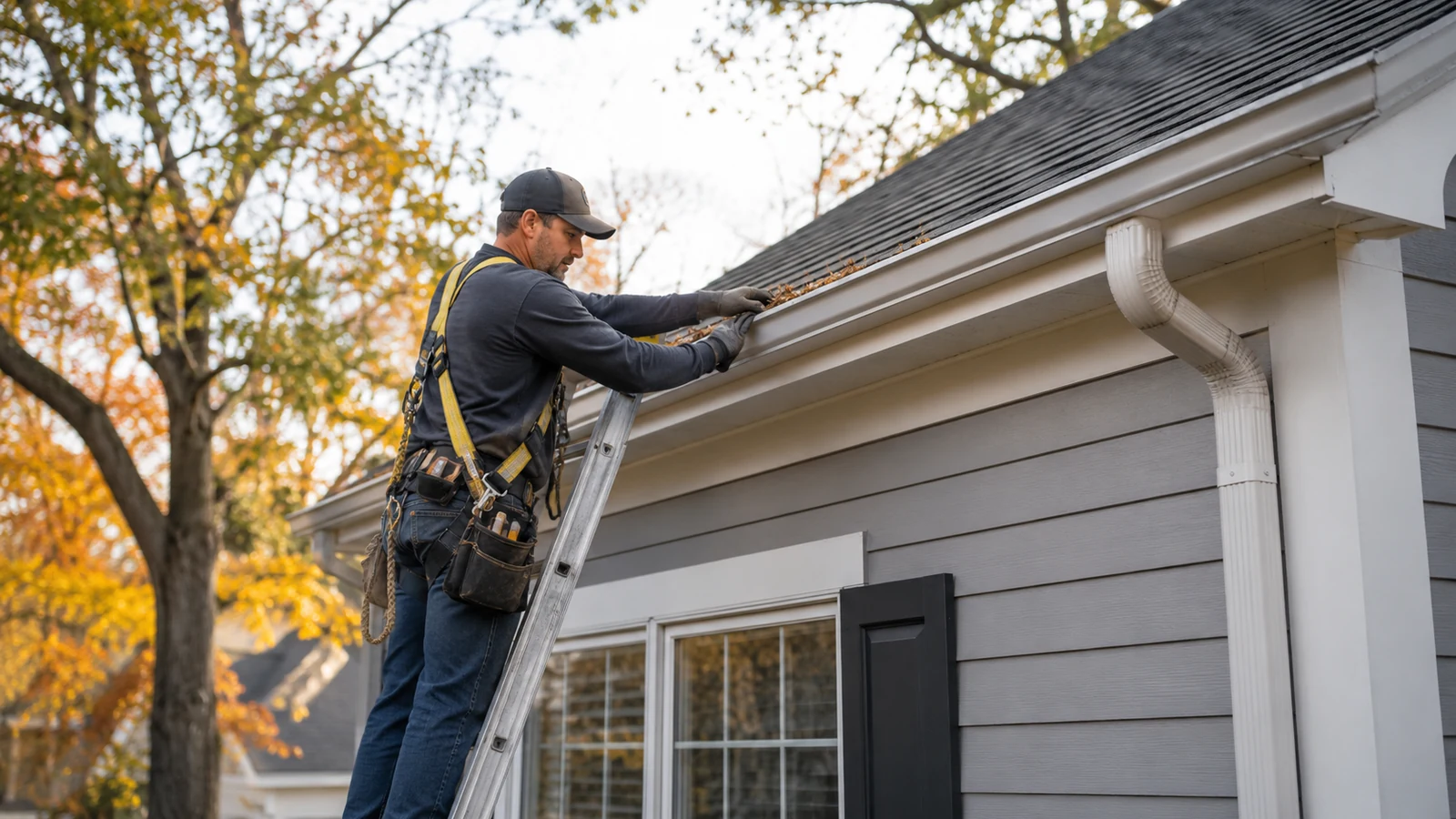
5. Inspect Windows and Exterior Doors
Check caulk, weatherstripping and seals around windows and doors. Look for daylight around frames, cracked exterior caulk, damaged screens and doors that no longer close tightly.
Air leaks can affect comfort and energy use. The U.S. Department of Energy notes that windows can account for a meaningful share of residential heating and cooling energy loss. Its home-upgrade guidance includes information about windows, doors, air sealing and other efficiency improvements.
6. Prepare Your HVAC System for Cooler Weather
North Carolina fall temperatures can change quickly, so it is useful to make sure your heating system is ready before the first cold stretch. Check or replace the HVAC filter according to the equipment manufacturer’s instructions, keep supply and return vents clear, and remove leaves or vegetation that are crowding an outdoor heat-pump or condenser unit.
If the system has unusual noises, weak airflow, frequent cycling, inconsistent temperatures or a history of problems, schedule service before demand increases during colder weather.
7. Disconnect Hoses and Check Outdoor Faucets
Remove garden hoses from exterior faucets after you are finished using them for the season. Inspect hose bibs for leaks and make sure shutoffs or freeze-protection features are functioning as intended for your particular home.
North Carolina winters vary considerably by region, but freezing temperatures can occur across much of the state. Taking care of exposed plumbing before a freeze is easier than dealing with a burst pipe afterward.
8. Check Drainage Around the Foundation
After a rain, notice where water collects. Soil should generally direct surface water away from the home rather than toward the foundation. Check downspout discharge points, drainage channels, low spots and areas where mulch or landscaping may be holding moisture against the house.
Standing water, persistent dampness in a crawl space or basement, erosion, or new cracks deserve closer attention. Water management is one of the most important parts of protecting a home through wet fall and winter periods.
9. Inspect the Chimney and Fireplace Before Use
If you use a wood-burning fireplace, do not wait until the first cold night to think about it. Look for visible chimney-cap damage, loose exterior masonry, staining or flashing concerns. A fireplace and chimney that are used regularly should be inspected and cleaned as appropriate by a qualified professional.
Gas fireplaces and other fuel-burning appliances should also be used and maintained according to the manufacturer’s instructions.
10. Test Smoke and Carbon Monoxide Alarms
Seasonal maintenance is a convenient reminder to test household alarms. The U.S. Fire Administration recommends testing smoke alarms monthly and replacing smoke alarms when they reach the end of their service life. Review the manufacturer’s instructions for your specific alarms and batteries.
See the U.S. Fire Administration’s smoke alarm safety guidance for placement and maintenance recommendations.
11. Clean and Store Outdoor Furniture and Equipment
Clean patio furniture, umbrellas, cushions and seasonal equipment before storing them. Allow fabrics and covered items to dry completely so moisture is not trapped during storage.
Secure or store lightweight outdoor items that could move during high winds. This is also a good time to organize sheds and garages so winter tools and emergency supplies are easy to reach.
12. Clean Exterior Surfaces Where Needed
Fall can be a practical time to remove dirt, mildew and organic buildup from siding, walks, patios and other exterior surfaces. Use a cleaning method that is appropriate for the material. High pressure can damage some siding, wood, paint, roofing and masonry surfaces, so stronger is not always better.
If an exterior needs repainting, significant repair or professional cleaning, addressing preparation problems first usually produces a better result than simply covering them.
13. Inspect the Lawn and Landscaping Near the House
Remove heavy leaf buildup from areas where it can hold moisture against siding, decks or foundations. Keep shrubs from pressing directly against exterior walls and make sure landscaping is not blocking vents, drains or HVAC equipment.
As leaves continue to fall, repeat quick checks around drains and downspout outlets so newly accumulated debris does not undo earlier maintenance.
14. Check Garage Doors and Weather Seals
Look at the bottom weather seal, side seals, door panels and visible hardware. A damaged seal can allow water, pests and cold air into the garage. If the door moves unevenly, makes unusual sounds or has damaged springs or cables, avoid attempting high-tension repairs yourself.
Test the garage-door safety-reversal features according to the manufacturer’s instructions and arrange professional service when the system is not operating correctly.
15. Review Home Records Before Winter
Fall is also a good time to organize photographs, receipts, warranties, contractor records and basic home-maintenance notes. Keep current photos of the exterior, roofline and major systems. Good records make it easier to track changes over time and provide useful documentation if damage occurs later.
You can also review your homeowners insurance documents so you know where they are and whom to contact if you ever need to ask coverage questions. For policy interpretation or coverage advice, speak directly with your insurance professional.
Fall Home Maintenance Checklist: What Should You Prioritize First?
If you cannot complete all 15 items at once, prioritize the parts of the home that control water, weather and safety:
- Roof: visible damage can become active leaks.
- Gutters and drainage: poor water movement can affect fascia, siding and foundations.
- Windows, doors and exterior openings: gaps allow moisture and air intrusion.
- HVAC: finding a problem before cold weather gives you more time to address it.
- Smoke and CO alarms: these are basic household safety systems and should remain operational year-round.
Why Fall Maintenance Matters in North Carolina
North Carolina homeowners deal with a wide range of conditions depending on where they live. Coastal communities may face salt air, wind and heavy rain. Piedmont homes often deal with abundant tree cover, leaves and changing temperatures. Mountain communities may see colder conditions much earlier.
That is why a statewide checklist should be treated as a starting point rather than a rigid schedule. Your home’s age, tree coverage, drainage, roof condition and local climate all influence what deserves the most attention.
When Should You Call a Contractor?
Many fall tasks are simple visual checks, but professional help is worth considering when the work involves heights, structural damage, electrical systems, fuel-burning equipment, significant water intrusion, large trees or repairs outside your experience.
Before hiring, compare the scope of work—not just the bottom-line number. Ask what is included, what materials are proposed, how unexpected conditions are handled, and what warranties apply.
You can browse North Carolina contractors by service and area, or request free quotes for a home project through NC Homeowners Guide.
Need Help With Your Fall Home Maintenance?
Use NC Homeowners Guide to research local professionals, compare your options and request quotes for roofing, gutters, siding, painting, HVAC and other home services across North Carolina.
Frequently Asked Questions
When should I start this fall home maintenance checklist in North Carolina?
Late August through October is a practical window for many tasks, but the best timing depends on your location, tree coverage and weather. Start early with roof, drainage and HVAC checks, then revisit gutters as leaves continue to fall.
How often should gutters be cleaned during fall?
There is no single schedule for every property. Homes surrounded by mature trees may need more than one cleaning during leaf season, while homes with little tree coverage may need less frequent attention. The important thing is to keep gutters and downspouts flowing freely.
Do I need a professional roof inspection every fall?
Not necessarily. A ground-level visual review is a useful starting point. Consider a professional inspection when you see possible damage, have an older roof, notice leaks or have recently experienced severe weather.
Should I service my HVAC before winter?
At minimum, check filters, vents and the area around outdoor equipment. Professional maintenance can be useful if the system is overdue for service or showing symptoms such as weak airflow, unusual noise or inconsistent heating.
Can fall maintenance prevent all storm or winter damage?
No. Maintenance cannot prevent every weather-related problem, but it can help identify vulnerabilities early and reduce avoidable issues such as clogged drainage, neglected leaks, failed seals and unsafe equipment.
Final Fall Checklist
- Inspect the roof from the ground.
- Clean gutters and confirm downspouts drain properly.
- Check trees and overhanging branches.
- Inspect siding, fascia and soffits.
- Check windows and exterior doors.
- Prepare the HVAC system.
- Disconnect hoses and inspect outdoor faucets.
- Check foundation drainage.
- Inspect the chimney and fireplace before use.
- Test smoke and carbon monoxide alarms.
- Clean and store outdoor furniture.
- Clean exterior surfaces where appropriate.
- Inspect landscaping near the house.
- Check garage doors and weather seals.
- Organize important home records.
A few hours spent working through this fall home maintenance checklist can make a home easier to manage through the colder months. Focus first on anything involving water, weather or safety, document what you find, and bring in qualified help when a repair is beyond a routine homeowner task.