
HVAC tune-up cost in North Carolina is usually driven by the type of system, the depth of the maintenance visit, the season, accessibility, and whether the technician finds a repair issue that goes beyond routine service. For a straightforward residential maintenance visit, many homeowners use a planning range of roughly $75 to $200 per system. A visit can cost more when it includes multiple systems, specialty equipment, difficult access, extensive cleaning, diagnostic work, or repairs.
For budgeting, think of a basic HVAC tune-up as a maintenance appointment—not a repair allowance. The advertised or quoted tune-up price should cover the inspection and maintenance tasks the company defines. Refrigerant work, replacement parts, drain repairs, electrical components, deep coil cleaning, duct work, and other repairs may be separate. Ask what is included before scheduling.
How much does an HVAC tune-up cost in North Carolina?
There is no single statewide price because HVAC companies package maintenance differently. One contractor may advertise a low-cost seasonal special with a shorter checklist, while another may charge more for a longer inspection that includes testing, cleaning, measurements, and written findings.
| Service situation | Typical planning expectation |
|---|---|
| Basic seasonal tune-up for one residential system | Often around $75–$200 |
| Two separate HVAC systems | Usually more than a single-system visit |
| Heat pump maintenance | May include both heating and cooling checks because the same system serves both modes |
| Maintenance plan or membership | May bundle one or two visits per year and other benefits; compare the annual total |
| Repair discovered during tune-up | Normally quoted separately from routine maintenance |
These numbers are planning ranges, not quotes. The most useful comparison is the scope of the tune-up: what the technician will inspect, clean, test, measure, document, and report.
AC Tune-Up Cost in North Carolina
An AC tune-up in North Carolina is usually a cooling-focused maintenance visit, and a straightforward appointment commonly fits within the same $75 to $200 per-system planning range discussed above. The final price depends on how much testing and cleaning is included, whether the home has more than one cooling system, and whether the technician discovers a repair that falls outside routine maintenance.
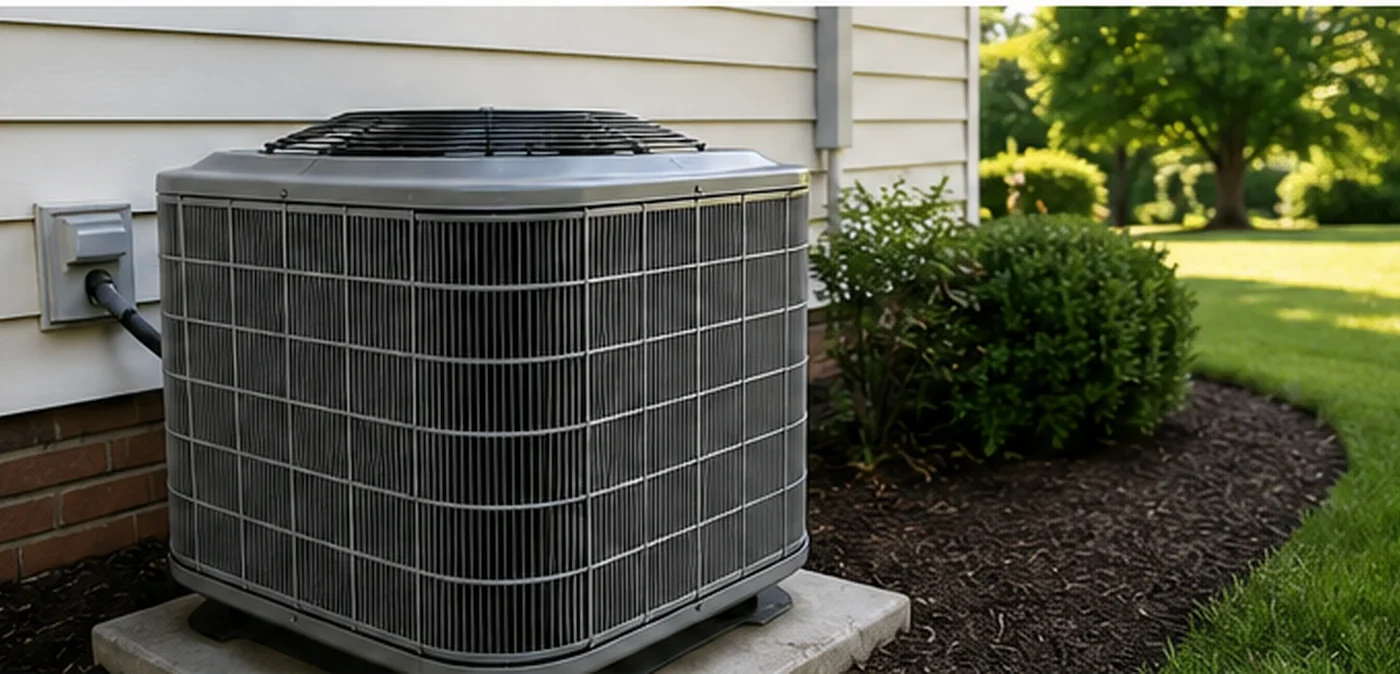
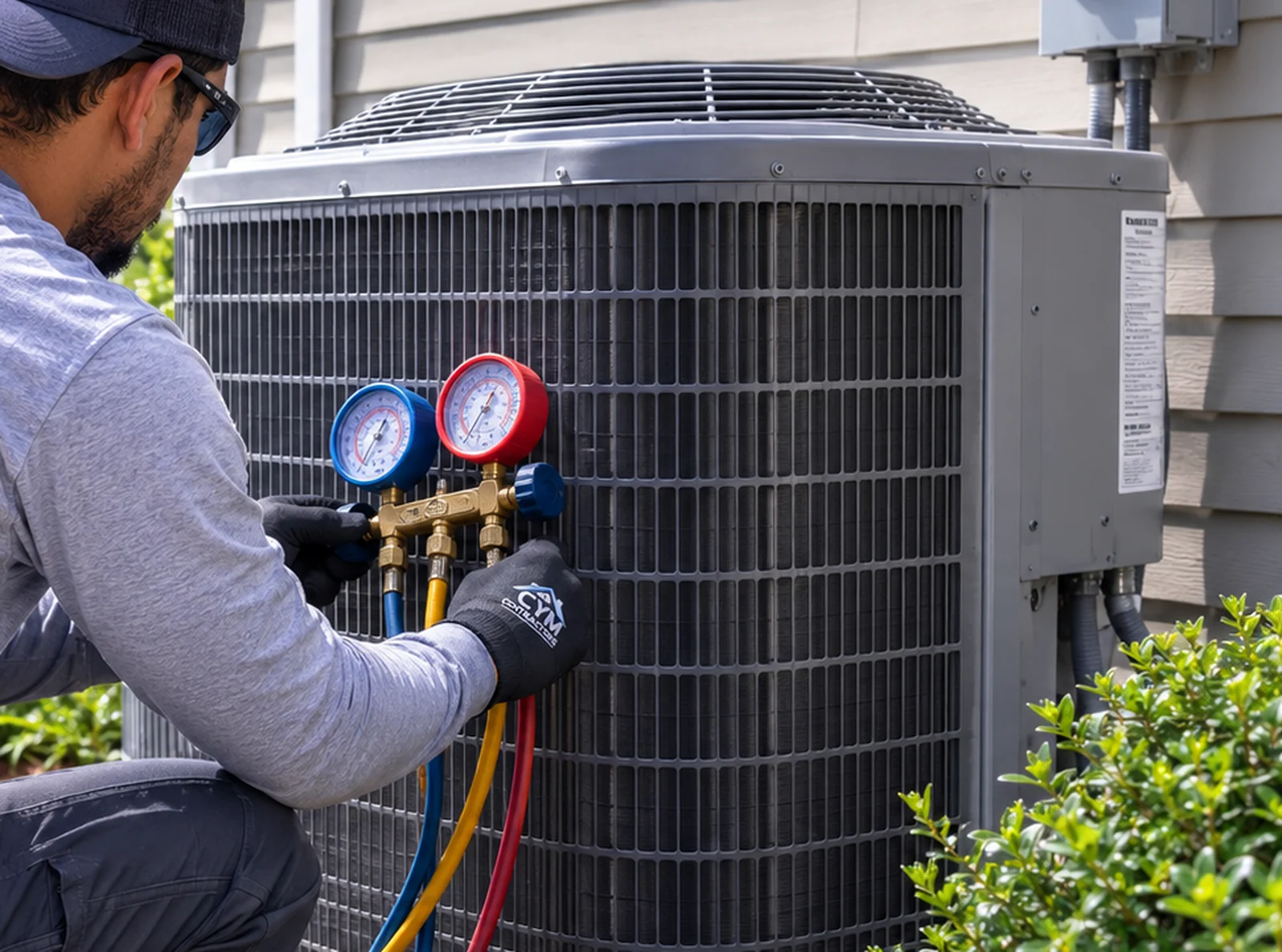
A typical air conditioner tune-up may include checking thermostat operation, electrical components, condenser condition, airflow, condensate drainage, refrigerant operating conditions, and the overall cooling cycle. Some companies include basic condenser cleaning in the base visit, while deeper coil cleaning, refrigerant repairs, drain repairs, or replacement parts may be separate.
For North Carolina homeowners, spring is often the most practical time for AC service because it gives you time to address problems before sustained summer heat and humidity place heavier demand on the system.
What should a standard HVAC tune-up include?
ENERGY STAR recommends annual pre-season HVAC checkups and lists several items homeowners should expect a qualified contractor to evaluate. These include thermostat settings, electrical connections, controls, condensate drainage, coils, refrigerant level, and blower components, with additional checks depending on the heating system. You can review the official ENERGY STAR HVAC maintenance checklist before comparing service packages.
Thermostat and operating controls
The technician should confirm that the thermostat and system controls are responding correctly and that the equipment starts, operates, and shuts down as expected. A tune-up is also a good time to mention rooms that feel consistently warmer, colder, or more humid than the rest of the home.
Electrical connections and components
Loose or deteriorated electrical connections can affect reliability and safety. A maintenance visit may include checking connections, voltage, current, capacitors, contactors, disconnects, and other components appropriate to the system.
Outdoor condenser and indoor coil condition
Dirt and debris on heat-transfer surfaces can make cooling equipment work harder. ENERGY STAR specifically notes that dirty coils reduce a system’s ability to cool and can increase run time. Whether full coil cleaning is included in the base tune-up or priced separately varies by contractor, so ask before assuming it is part of the visit.
Condensate drain
North Carolina cooling systems remove a significant amount of moisture during humid weather. The condensate drain and pan should be checked for restrictions, leakage, or signs of overflow. A clogged drain can create water damage and humidity problems.
Airflow and blower operation
Restricted airflow can reduce comfort and efficiency. A good maintenance visit should evaluate the blower and obvious airflow issues rather than focusing only on the outdoor unit.
Why North Carolina climate makes maintenance important
North Carolina homes can ask a lot from one HVAC system. Cooling equipment may run for long stretches through hot, humid summers, while many homes also rely on heat pumps during winter. Spring pollen, dust, leaves, grass clippings, and outdoor debris can accumulate around equipment, and long cooling seasons mean filters and drainage systems deserve regular attention.
That does not mean every home needs expensive service twice a year. It means the maintenance schedule should match the equipment, manufacturer guidance, operating hours, household conditions, and the home’s actual performance.
When is the best time to schedule an HVAC tune-up?
For cooling equipment, spring is usually the most convenient time because problems can be addressed before peak summer demand. For heating equipment, fall service gives homeowners time to identify issues before the coldest weather. ENERGY STAR similarly recommends pre-season checkups because contractors become busier once extreme temperatures arrive.
If you have a heat pump, ask the contractor whether one annual visit is enough for your system and usage or whether separate seasonal checks make sense. The answer can depend on the service plan and equipment.
Furnace and AC Tune-Ups in North Carolina
Homes with a separate furnace and central air conditioner often benefit from seasonal maintenance that matches the equipment being used. An AC tune-up is most relevant before the cooling season, while a furnace tune-up is generally scheduled before regular heating use begins.
During a furnace-focused visit, the technician may check ignition and safety controls, burners or heating components, electrical connections, airflow, thermostat operation, and other items appropriate to the specific furnace. A cooling-focused visit concentrates more on the outdoor condenser, refrigerant operating conditions, condensate drainage, coils, and the cooling cycle.
Some North Carolina contractors sell a combined furnace and AC tune-up or annual maintenance plan that includes both seasonal visits. When comparing those plans, confirm whether the price covers one complete HVAC system or multiple systems, how many visits are included, and which cleaning or diagnostic services cost extra.
Heat-pump homes are different because the same equipment handles both heating and cooling. In that case, ask whether the maintenance visit checks operation in both modes and whether one or two seasonal appointments are recommended for the equipment and usage.
What can increase the price of a tune-up?
Multiple HVAC systems
A larger home may have two or more independent systems. Make sure a quoted tune-up price is clear about whether it covers one system or the entire property.
Hard-to-access equipment
Air handlers in tight crawlspaces, hot attics, or difficult mechanical closets can require more time. Access may not automatically create an extra charge, but it can affect labor and service scope.
Deep cleaning
Routine maintenance and restorative cleaning are not always the same service. A heavily impacted evaporator coil, blower wheel, or condenser may require additional labor beyond a normal tune-up.
Repairs and replacement parts
A tune-up may reveal a weak capacitor, damaged contactor, clogged drain, failed safety device, refrigerant issue, or other problem. A professional company should explain the finding and price the repair separately rather than quietly adding work to the maintenance bill.
Refrigerant diagnostics or leak investigation
Checking system operation is part of good maintenance, but a full leak search or refrigerant repair can be a separate diagnostic service. If a technician says refrigerant is low, ask what evidence supports that conclusion and what the next diagnostic step will cost.
Does an HVAC maintenance plan save money?
A maintenance agreement can be convenient when it bundles scheduled visits, reminders, priority service, or repair discounts. But homeowners should compare the full annual cost with what is actually included. A low monthly payment can still cost more over a year than booking one or two individual visits.
Before joining a plan, ask:
- How many maintenance visits are included each year?
- Does the price cover every HVAC system in the home?
- Are filters included?
- Are coil cleaning and drain clearing included or extra?
- Does the plan renew automatically?
- Are repair discounts applied to labor, parts, or both?
- Is there a cancellation fee?
Air filters: the maintenance task homeowners should not ignore
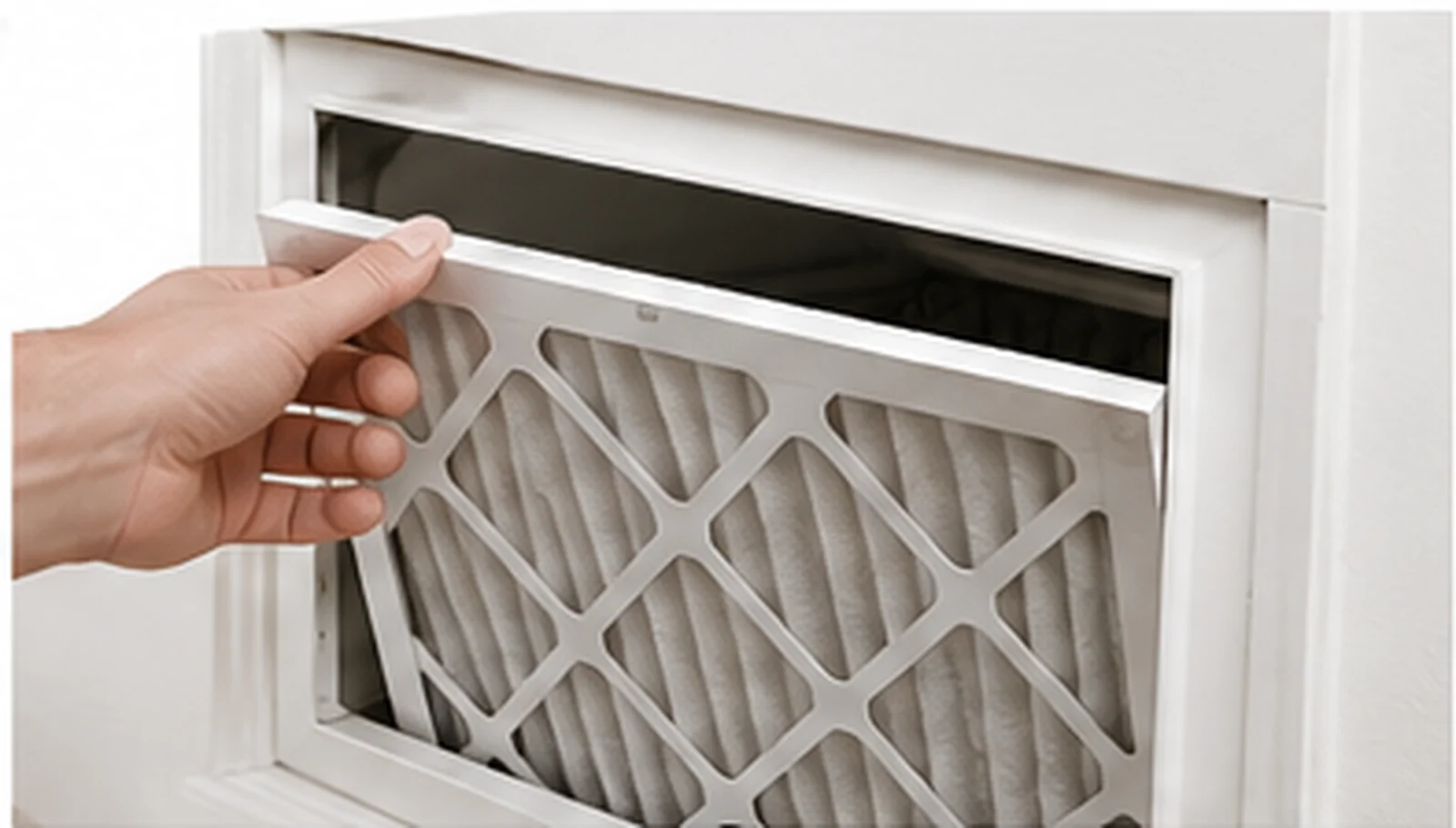
Between professional visits, one of the simplest homeowner tasks is checking the air filter. ENERGY STAR advises homeowners to inspect filters monthly during heavy-use periods and change them when dirty; at minimum, many standard filters should be changed every three months. The U.S. Department of Energy also notes that dirty filters restrict airflow and make equipment work harder. See the official Department of Energy guidance on heating filters.
Filter replacement frequency can vary with pets, allergies, construction dust, smoke, filter type, and how much the system operates. Follow the equipment and filter manufacturer’s recommendations rather than relying only on a calendar.
Red flags when comparing HVAC tune-up offers
- The scope is unclear. A price is not useful if you do not know what work it covers.
- The company guarantees repairs before inspection. Maintenance should identify conditions, not predetermine them.
- Every visit immediately turns into a replacement pitch. Replacement may be appropriate for some systems, but the contractor should explain the evidence and alternatives.
- No written findings are provided. A short checklist, measurements, photos, or written notes make future decisions easier.
- Repair pricing is added without authorization. Homeowners should know the repair scope and price before extra work begins.
Questions to ask before booking
Use these questions to compare HVAC maintenance quotes on equal terms:
- Is the quoted price for one system or the entire home?
- Exactly what inspections, measurements, and cleaning are included?
- Is the air filter included?
- Is condenser-coil cleaning included?
- Will you check the condensate drain and pan?
- Will I receive written findings or photos?
- What services are specifically excluded from the tune-up price?
- How are repairs handled if you find a problem?
- Is this a one-time service or does it enroll me in a maintenance plan?
If you are comparing several contractors, our guide on how to compare contractor estimates in North Carolina can help you evaluate scope, exclusions, warranties, and payment terms—not just the lowest number.
Is an HVAC tune-up worth it?
For most homeowners, preventive maintenance is less about chasing a guaranteed energy-savings number and more about keeping the system clean, checking operating conditions, catching developing problems, and preparing for the season ahead. ENERGY STAR says annual HVAC tune-ups can improve efficiency and comfort, and its homeowner guidance emphasizes that dirt and neglect are leading causes of equipment inefficiency and failure.
A tune-up cannot prevent every breakdown, and it cannot restore worn-out equipment to new condition. Its value is highest when the service is thorough, the findings are documented, and the homeowner understands what is maintenance versus what is an optional or necessary repair.
Frequently asked questions
How often should an HVAC system be tuned up?
Annual maintenance is a common baseline. Some homeowners and service plans use separate spring and fall visits, particularly when they want dedicated cooling and heating checks. Follow the equipment manufacturer’s recommendations and consider how heavily the system is used.
Is an AC tune-up the same as HVAC maintenance?
Not always. An AC tune-up may focus mainly on cooling equipment. HVAC maintenance can refer more broadly to cooling, heating, heat pumps, furnaces, air handlers, thermostats, drainage, and airflow. Ask the contractor exactly what the appointment covers.
Does a tune-up include refrigerant?
System operation may be checked, but refrigerant itself is not normally a routine consumable. If refrigerant is low, there may be a leak or another issue that requires diagnosis. Ask what testing and repair are recommended before authorizing additional work.
Should I replace my HVAC system instead of paying for maintenance?
Age alone does not answer that question. Consider performance, repair frequency, comfort, efficiency, equipment condition, and the cost of upcoming repairs. A maintenance visit can provide useful information, but replacement decisions should be based on a clear diagnosis and written options.
Can I do an HVAC tune-up myself?
Homeowners can handle basic tasks such as filter checks and keeping the outdoor unit clear of leaves and debris. Electrical testing, refrigerant work, combustion checks, internal cleaning, and diagnosis should be handled by qualified professionals.
Bottom line for North Carolina homeowners
For planning purposes, a routine HVAC tune-up in North Carolina often falls around $75 to $200 per system, but the price by itself does not tell you whether the service is a good value. Compare the checklist, system count, cleaning included, documentation, repair authorization process, and whether the quote is truly one-time or part of a recurring plan.
When you are ready to compare local options, you can browse contractors in the NC Homeowners Guide directory or request quotes for your home project.