
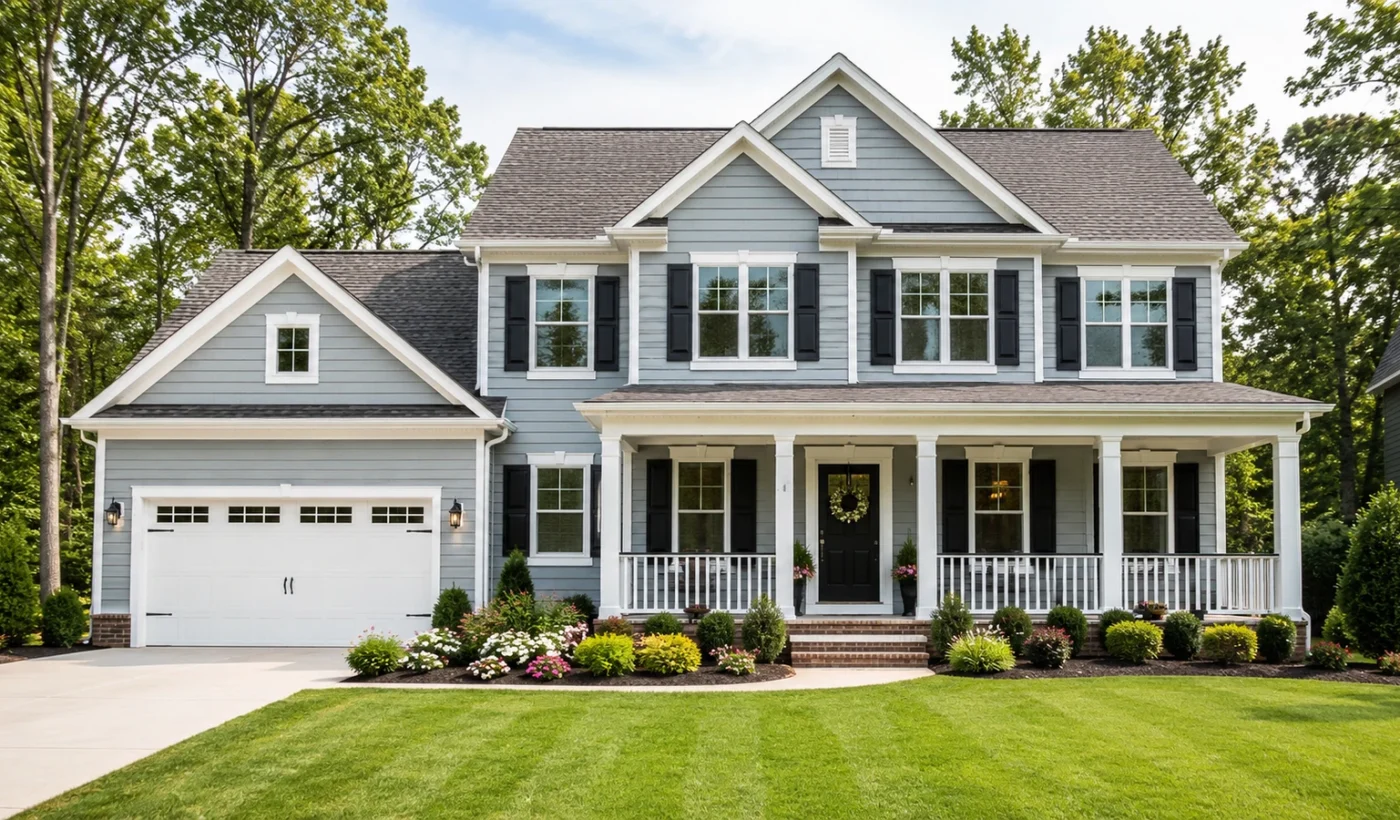
If you are planning exterior painting, choosing the right week can matter almost as much as choosing the right paint. The best time to paint a house exterior in North Carolina is usually during a stretch of mild, dry weather with moderate humidity—conditions that are most common in spring and fall. Summer can work too, but direct sun, afternoon thunderstorms, heat, and high humidity can make scheduling more difficult.
For most homes, the easiest exterior-painting windows are April through early June and September through October, although the exact timing depends on your part of the state, the surface being painted, the product instructions, shade, overnight temperatures, and the forecast. A professional painter should plan around surface temperature and drying conditions—not simply the calendar.
Best time to paint a house exterior in North Carolina by season
Spring: often the easiest painting season
Spring is popular because daytime temperatures are usually moderate before the most intense summer heat arrives. Crews can often work longer portions of the day without fighting very hot siding or rapidly drying paint.
Spring does have one North Carolina-specific challenge: pollen. Yellow pine pollen can coat siding, trim, porches, and horizontal surfaces. If a home is washed and then left exposed during a heavy pollen period, surfaces may need to be cleaned again before primer or paint is applied.
Early summer: workable with careful scheduling
June can still provide excellent painting days, especially when work is scheduled around the sun. East-facing walls may be painted later after they cool, while west-facing elevations may be completed earlier before direct afternoon sun becomes intense.
Mid-summer: possible, but more demanding
July and August are not automatically bad months for painting. Modern exterior coatings often have broad temperature ranges. The challenge is that the surface itself can become much hotter than the reported air temperature in direct sun.
Fall: another excellent window
September and October can offer some of the most favorable painting conditions in North Carolina. Daytime temperatures are often comfortable and the intense humidity of midsummer begins to ease. Later in the season, however, contractors need to watch overnight lows, dew, and shorter daylight hours.
Why weather conditions matter
Exterior paint needs time to adhere, level, cure, and resist moisture. North Carolina weather can complicate that process because homeowners may experience strong sun, high humidity, sudden rain, heavy pollen, cool nights, and large temperature swings within the same season.
The exact product label and technical data sheet should always control. As a general planning principle, exterior painting performs best when surfaces are dry, conditions are stable, and temperatures remain within the manufacturer’s application range long enough for the coating to dry properly.
The North Carolina State Climate Office is a useful resource for understanding local weather patterns.
Preparation matters more than the month
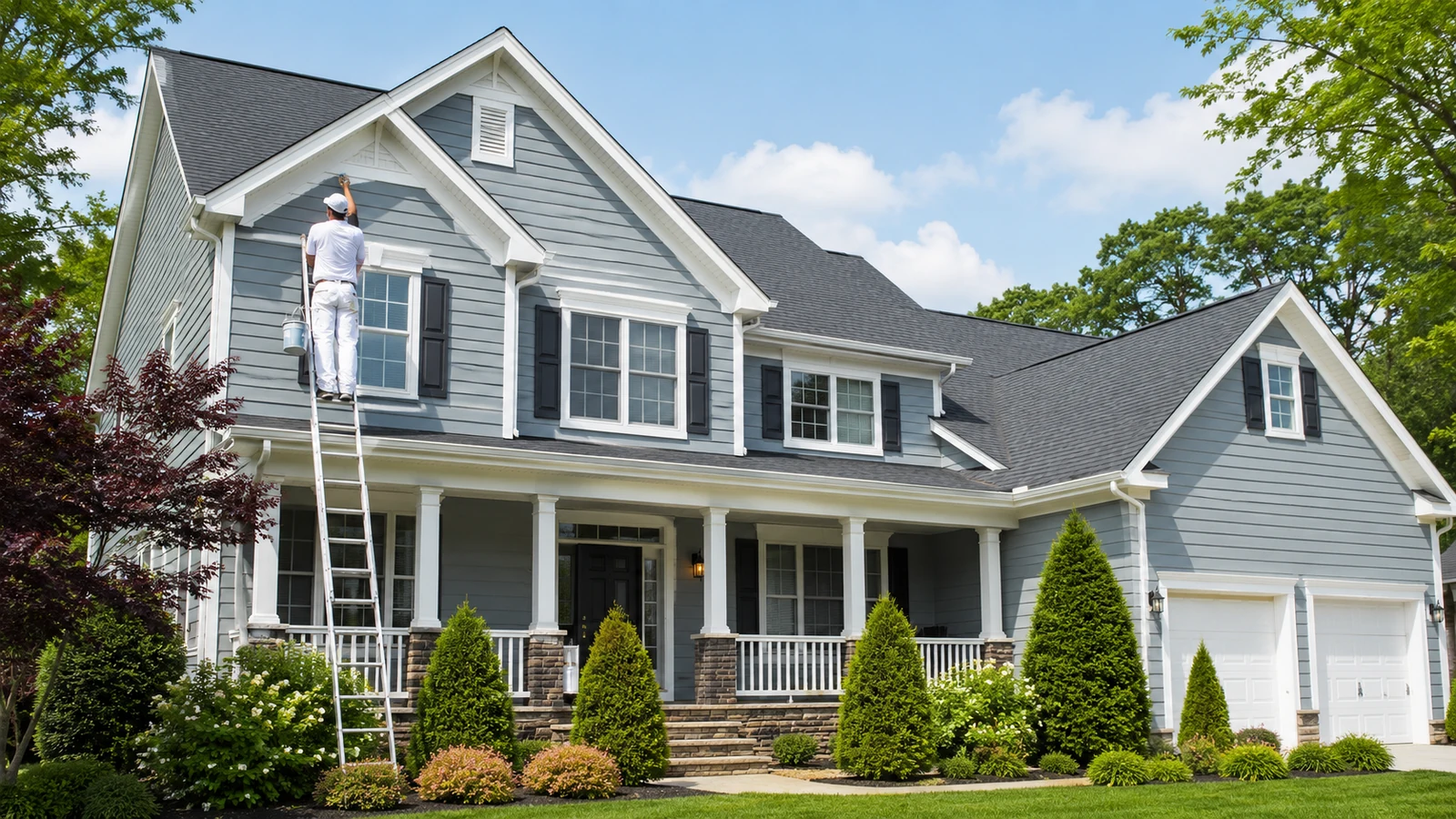
A beautifully timed paint job can still fail if the surface was not prepared correctly. In many exterior projects, the most important work happens before the first finish coat is opened.
Wash and let surfaces dry
Dirt, chalk, mildew, pollen, cobwebs, and other contamination can interfere with adhesion. Surfaces should be cleaned appropriately and allowed to dry fully before coating.
Remove loose or peeling paint
New paint will not make failing old paint secure. Loose material should be removed and edges feathered where appropriate so the new coating is being applied to a sound surface.
Repair damaged wood first
Painting over rotten trim, damaged fascia, deteriorated siding, or soft wood hides the problem instead of fixing it. Damaged material should be evaluated before painting so the homeowner understands whether repair or replacement is needed.
Use primer where needed
Bare wood, repaired areas, stains, certain metals, masonry, and major color changes may require a specific primer. A contractor should be able to explain where primer is being used and why.
How much does exterior house painting cost in North Carolina?
Exterior painting prices vary too much for one statewide number to be meaningful. A simple one-story home with sound siding and limited trim can cost far less than a two- or three-story property that needs extensive scraping, wood repair, multiple colors, detailed trim, porch work, or difficult access.
| Cost factor | Why it matters |
|---|---|
| House size and stories | More paintable area, setup, ladder work and labor |
| Siding material | Wood, fiber cement, stucco, brick and other surfaces require different preparation |
| Existing paint condition | Peeling, chalking and failed coatings increase prep time |
| Wood repair | Rotten fascia, trim, soffit or siding should be repaired before coating |
| Number of colors | Body, trim, shutters, doors and accents add masking and labor |
| Access | Tall elevations, steep grades and complicated architecture increase setup time |
| Paint system | Primer, finish quality and number of coats affect material and labor cost |
Can the season affect painting cost?
Sometimes. Peak-season demand may affect how quickly a contractor can schedule the project, while slower periods can occasionally provide more flexibility. However, homeowners should not select a poor weather window simply to save a small amount.
Signs your exterior may be ready for repainting
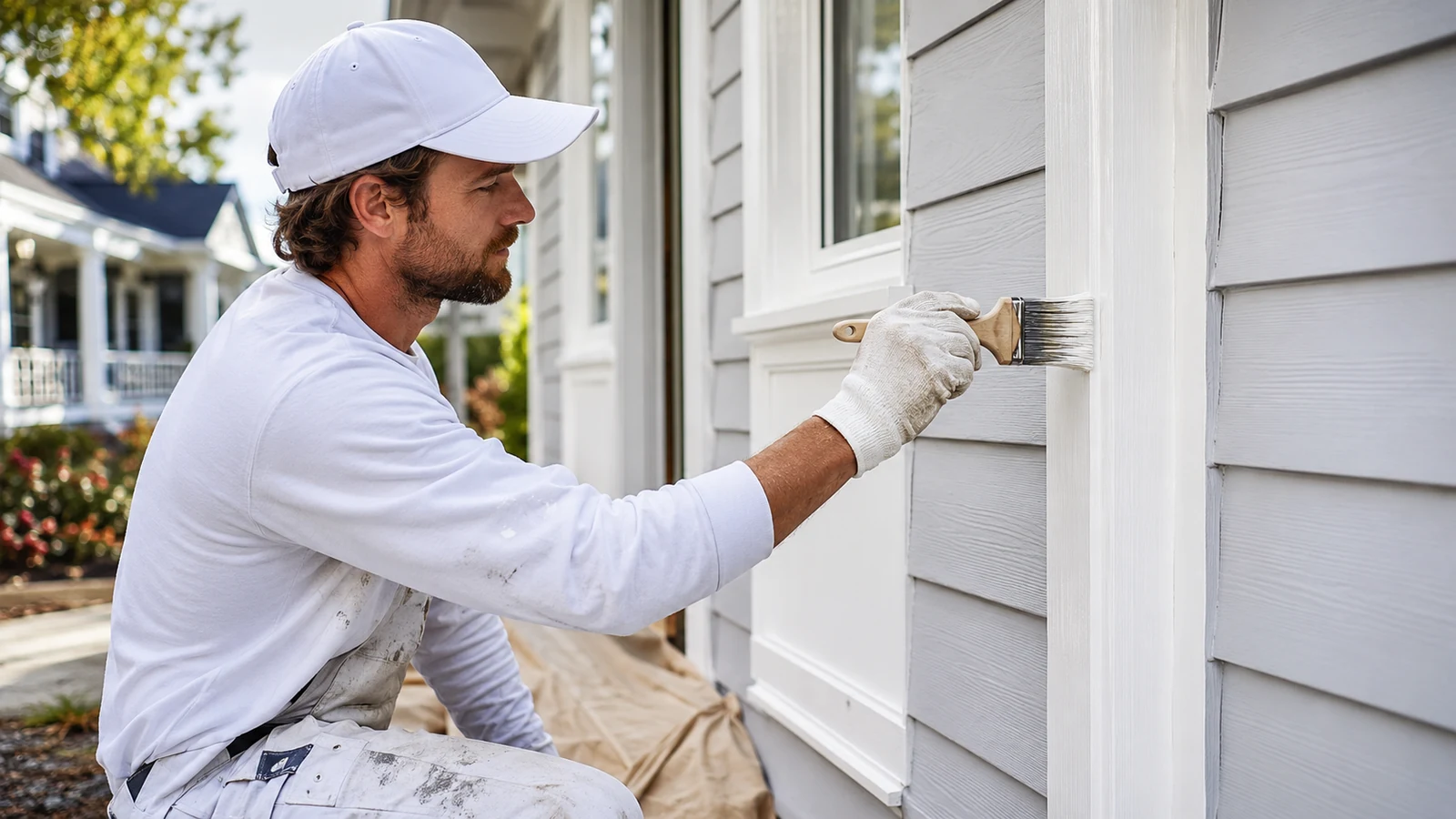
- Peeling, cracking or flaking paint
- Faded color on heavily exposed elevations
- Chalking when you rub the surface
- Bare wood showing through
- Open joints or failed caulk
- Moisture stains or recurrent mildew
- Trim that feels soft or deteriorated
- Previous repairs with mismatched or unprotected surfaces
Some of these conditions may indicate a moisture, roofing, gutter, flashing, or siding problem rather than simply old paint. Fix the source first; then paint the repaired surface.
Special warning for homes built before 1978
If your North Carolina home was built before 1978, paint preparation deserves extra attention because older coatings may contain lead. Sanding, scraping, cutting, or other work that disturbs lead-based paint can create hazardous dust and chips.
The U.S. Environmental Protection Agency recommends that homeowners planning renovation, repair, or painting work in pre-1978 homes use lead-safe practices and hire properly certified professionals when applicable. Review the official EPA Renovation, Repair and Painting guidance for homeowners before work begins.
What should be included in an exterior-painting estimate?
- Pressure washing or cleaning
- Scraping and sanding
- Wood replacement or repair
- Caulking
- Primer
- Number of finish coats
- Paint manufacturer and product line
- Body, trim, shutters, doors and porch surfaces
- Protection of landscaping, roofs, windows and fixtures
- Cleanup and debris removal
- Warranty
- What happens if hidden damage is discovered
If you need contractors to compare, you can browse contractors in the NC Homeowners Guide directory or request quotes for your exterior project.
Frequently asked questions
What is the best month to paint a house exterior in North Carolina?
There is no single best month statewide, but spring and fall often provide the easiest combination of moderate temperatures and manageable humidity. The actual forecast and the paint manufacturer’s requirements matter more than the month itself.
Can a house be painted in July or August?
Yes, when the coating allows it and the crew manages direct sun, surface temperature, humidity, and rain risk. Professional painters may work around the house following shade throughout the day.
How soon after rain can exterior painting begin?
Only after the surface has dried adequately. The necessary drying time varies by substrate and weather. Wood and masonry may retain moisture longer than siding that sheds water quickly.
Should rotten wood be painted?
No. Paint is not a structural repair. Deteriorated trim, fascia, soffit or siding should be evaluated and repaired or replaced before the finish system is applied.
Best time to paint a house exterior in North Carolina: bottom line
For many North Carolina homeowners, spring and fall are the best times for exterior house painting, but a favorable forecast and correct surface preparation are more important than choosing a particular date on the calendar.
A durable exterior paint job starts with a sound, dry, clean surface; appropriate repairs; the correct primer and coating; and enough favorable weather for the paint to cure. When comparing bids, look beyond price and ask exactly how the contractor plans to prepare the house and protect the new finish from North Carolina’s sun, humidity, rain, and seasonal temperature changes.
For more homeowner planning resources, visit the NC Homeowners Guide blog.